

If you have been researching ways to improve comfort, privacy, and energy efficiency in your home, you have probably come across the idea of tinting your home windows. At first glance, it seems like a simple upgrade that can reduce glare, block UV rays, and even lower energy bills. However, there is more to consider than just picking a film and applying it.
Many homeowners are surprised to learn that window tinting can come with risks, especially when applied incorrectly or used on the wrong type of glass. Before moving forward, it is important to understand how tint interacts with modern windows, what it means for your warranty, and when professional guidance becomes essential.
Taking the time to learn these details can help you avoid costly damage and make a more informed decision.
Understanding the Basics of Tinting Your Home Windows
Tinting your home windows involves applying a thin film to the interior surface of your glass. This film is designed to reduce heat transfer, limit UV exposure, and improve privacy. While the concept is straightforward, the way tint interacts with residential glass can vary significantly depending on the type of window you have installed.
Modern homes often feature energy-efficient windows that already include specialized coatings or gas fills. Adding tint on top of these features can change how the glass performs. Instead of improving efficiency, it may interfere with the window’s intended design. Before committing to tinting your home windows, it is important to:
- Identify the type of glass currently installed
- Review any manufacturer specifications
- Consider how additional film might alter performance
Without this understanding, you may unintentionally reduce the lifespan or effectiveness of your windows.
Why DIY Tinting Can Lead to Costly Problems
While online tutorials make tinting your home windows look easy, the reality is much more complex. A do-it-yourself approach often leads to uneven application, trapped air bubbles, and poor adhesion. Beyond appearance, improper installation can create long-term issues that are far more serious.
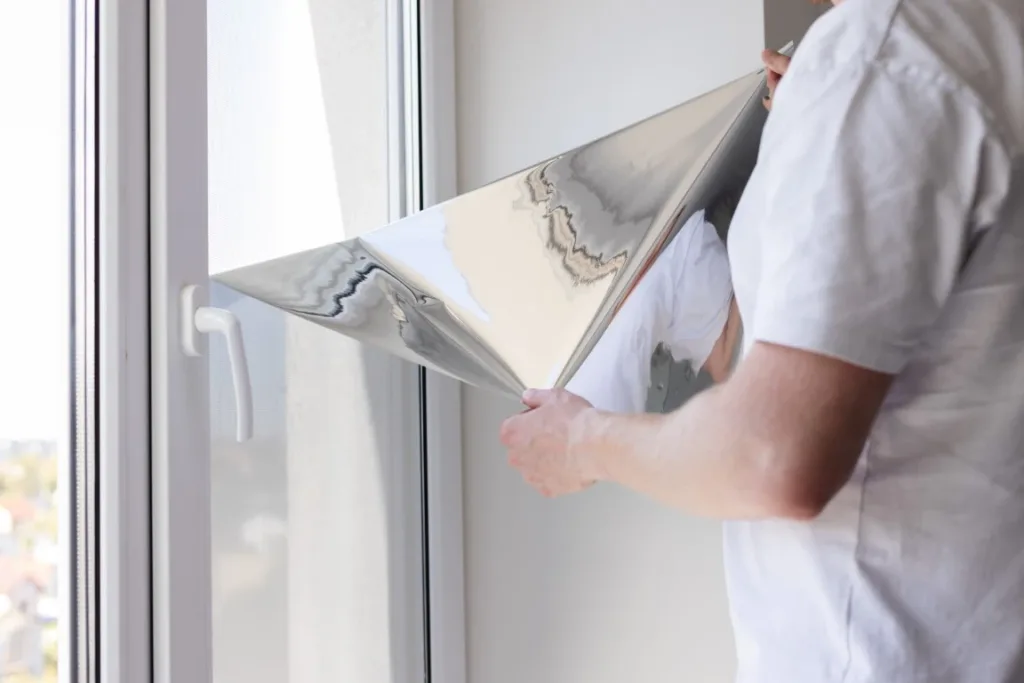
One of the biggest concerns is heat absorption. Window films can cause glass to retain more heat than it was designed to handle. This added stress can result in cracking, especially during temperature fluctuations. Some of the most common risks of DIY tinting your home windows include:
- Heat stress cracks forming across the glass
- Reduced visibility due to bubbling or peeling
- Increased likelihood of seal failure in insulated glass units
Because of these risks, many professionals strongly advise against attempting tinting on your own. Even if the upfront savings seem appealing, the potential for damage often outweighs the benefit.
How Tinting Your Home Windows Can Void Your Warranty
One of the most overlooked aspects of tinting your home windows is its impact on your manufacturer warranty. Most window manufacturers clearly state that applying aftermarket film will void the warranty. This means that if something goes wrong, you may be responsible for the full cost of repairs or replacement.
Warranties are designed to protect against defects in materials or workmanship. However, once a film is applied, manufacturers can no longer guarantee how the glass will perform. The added layer changes thermal dynamics, making it difficult to determine the root cause of any issues. In some cases, professional installers may offer their own warranty to cover the work they perform.
This can help offset some risk, but it is not a universal solution. Coverage depends on the installer, the type of film used, and the specific window system. Before moving forward with tinting your home windows, always review your existing warranty documentation to determine whether this can void your coverage.
You should also reach out to your installation team to determine whether they provide replacement protection. Choosing to skip this step when tinting your home windows can lead to unexpected expenses down the line. While tint is a worthwhile investment, it isn’t worth it if it compromises your protection.
The Risk of Heat Stress Cracks and Foggy Glass
Another critical concern with tinting your home windows is the potential for heat-related damage. When film is applied, it can cause the glass to absorb more solar energy than it normally would. This uneven heating places stress on the window, especially along the edges. Over time, this stress can result in cracks that appear suddenly and spread quickly.
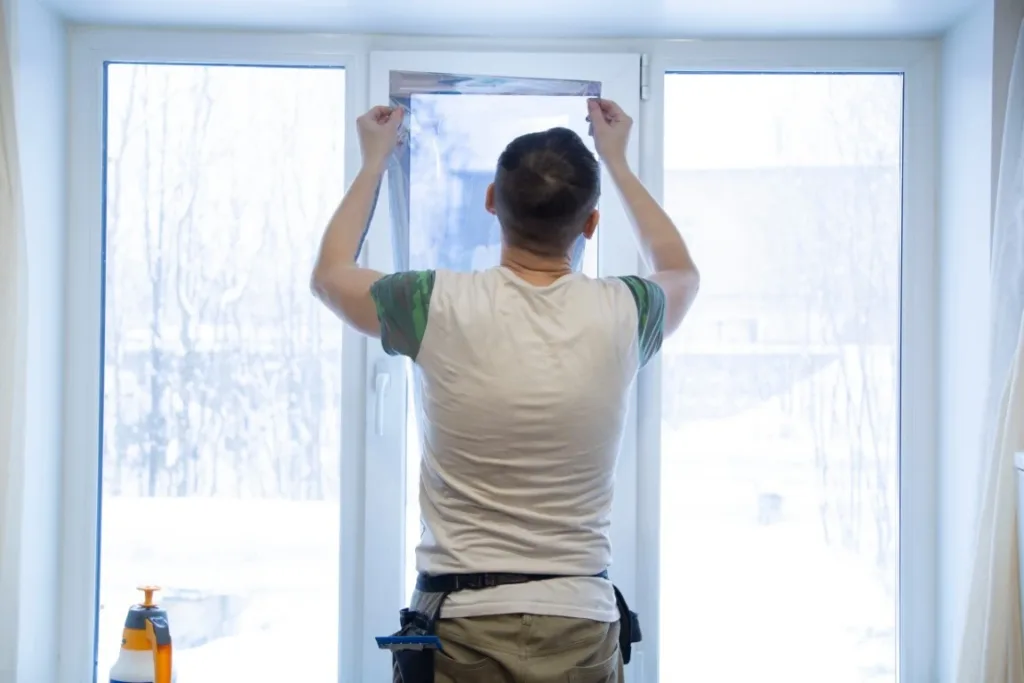
These are often referred to as heat stress cracks, and they are not always covered under warranty once tint has been applied. In addition to cracking, tinting your home windows can also contribute to foggy glass. This occurs when the seal between double or triple panes begins to fail. Once the seal is compromised, moisture enters the space between panes, creating a cloudy or hazy appearance.
Key warning signs to watch for include:
- Small cracks forming near the edges of the glass
- Persistent fog or condensation between panes
- Changes in clarity or distortion when looking through the window
These issues not only affect appearance but also reduce the energy efficiency of your home.
When to Consider Alternatives to Tinting Your Home Windows
Given the potential risks associated with DIY options, it is worth exploring alternatives before committing to tinting your home windows. In many cases, upgrading to modern energy-efficient windows provides a more reliable and long-term solution beyond just the initial tinting benefits you receive with off-the-shelf products.
Today’s advanced window systems are designed with built-in features that improve insulation, reduce UV exposure, and enhance overall comfort. Unlike aftermarket tint, these solutions are engineered to work seamlessly with the glass. Other options to consider include:
- Installing low-emissivity glass designed for energy performance
- Using interior treatments like blinds or shades for added privacy
- Consulting with a glass professional to evaluate your current setup
While tinting your home windows may seem like a quick fix, investing in the right solution from the start can save you time, money, and frustration.

Turn to Valley Glass for Professional Support
Tinting your windows can seem like a simple upgrade, but it comes with important considerations. From voided warranties to stress cracks and foggy glass, the risks can quickly outweigh the benefits if handled incorrectly. Even when working with professionals, it is essential to understand how tint will interact with your windows and what protections are in place.
If you have already attempted tinting your home windows and noticed damage, or if you are looking for a safer way to improve energy efficiency, turn to our team at Valley Glass for support. Our team is here to help assess your situation, repair damaged glass, or guide you toward high-performance window upgrades that deliver lasting results without unnecessary risk.
If you would like to learn more about our low-e, energy-efficient windows, don’t hesitate to contact us today.