

When you’re in your home, the last thing you want to deal with is noise from the street. It can be incredibly distracting and disruptive to your in-home responsibilities, children’s naps, work, and quality time with your loved ones. Even worse, excessive exposure to street noises can take a significant toll on your mental health and everyday happiness.
Thankfully, with the help of sound-dampening glass, you may be able to block these noises from making their way into your home. But what exactly should you be looking for if this is your greatest priority? If you’ve never purchased windows with the expectation of noise reduction, it may be difficult to know what to look for and what to ask about.
In this blog, we’ll explore how noise pollution impacts your everyday life and why sound-dampening glass may be the best solution for your home.
What STC Ratings Mean and Why They Matter for Homeowners
The sound transmission class (STC) rating is a rating system used by window and door manufacturers. It measures the decibel level inside and outside of a space, determining the difference. If something has a high STC rating, this is an indication that there is more sound absorption occurring, whereas lower ratings result in less sound absorption.
STC ratings are measured on a scale, which goes as follows:
- 29 and lower: Limited insulation, normal speech can be heard
- 30-39: Moderate insulation, loud speech is muffled but indecipherable
- 40-49: Good insulation, loud voices are a murmur
- 50+: Great insulation, considered the
But why does this rating matter to homeowners? Whether you live in an urban setting or a busy suburb, your windows and doors are generally a major source of noise pollution in your home. By choosing new windows with a higher STC rating, you are less likely to be disrupted by outdoor noises from vehicles, neighbors, power tools, and more.
How Traffic Noise Impacts Comfort, Sleep, and Daily Living
More people than ever are spending extended periods of time in their homes. With remote work options, people staying home to raise children, and online schooling and shopping options, you may spend most of the week in your home. When you are at home this often, noise pollution from the street is more apparent than it may have once been.
The American Academy of Sleep Medicine has found that street noises have an incredibly negative impact on your sleep, ability to recover at night, and impacts neurobehavior. While this might be fine for one night of sleep, this constant exposure to noise pollution can lead to you feeling lethargic during the day.
When there is no escape from constant noises, you may find it difficult to relax in your home. This problem becomes more noticeable when you’re trying to focus on family or work responsibilities. If you’ve found that constant noise pollution is negatively impacting your daily life, it may be time to talk to your window professionals about sound-dampening glass.
The Science Behind Sound-Dampening Glass Technology
When you begin looking into sound-dampening glass, there are a few things all of the glass will have in common. The three principles of sound-dampening glass are damping, glass thickness, and decoupling. Understanding how each of these works will help you understand what to look for in your windows.
Damping
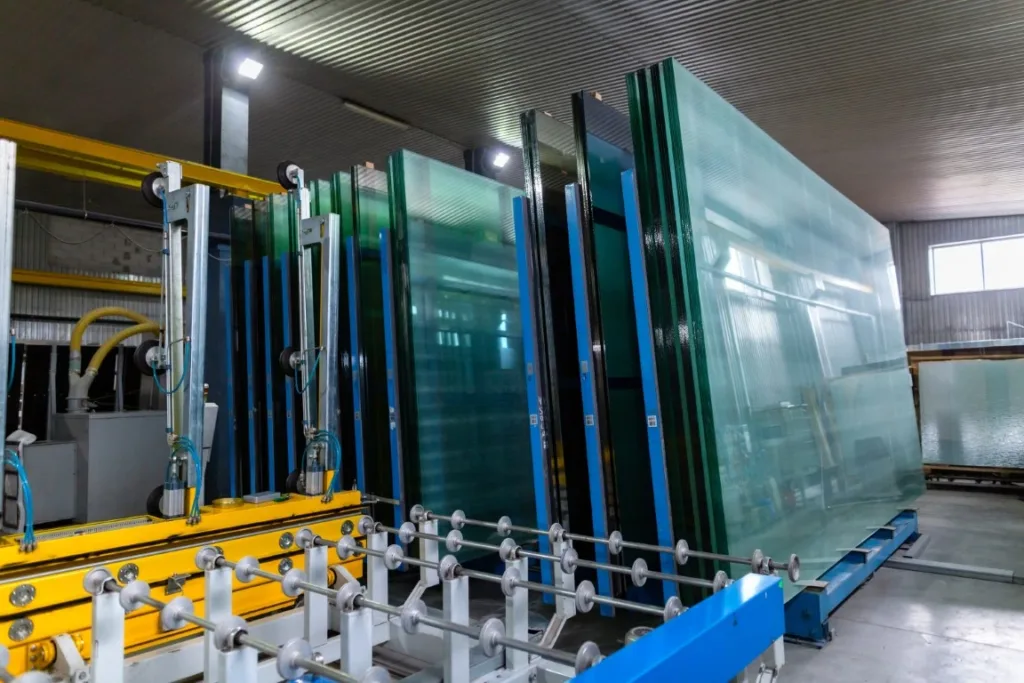
Sound-dampening interlayers help reduce noise transmission through windows by absorbing and dissipating sound vibrations before they can pass from one side of the glass to the other. These specialized interlayers, typically made from acoustic polyvinyl butyral (PVB), are laminated between panes of glass to create an effective sound barrier.
As sound waves strike the window, the interlayer minimizes vibration and lowers the amount of noise that enters the home. This technology is especially beneficial in high-traffic neighborhoods, near airports, or in busy urban areas where reducing unwanted exterior noise can significantly improve indoor comfort.

Varying Glass Thickness
One of the most effective ways to improve the acoustic performance of a window is by using panes of different glass thicknesses. When sound waves strike glass, they cause vibrations that can pass through the window and into the home. If both panes are the same thickness, they tend to resonate at similar frequencies, allowing more noise to transfer through the assembly.
By using glass panes of varying thickness, manufacturers disrupt these resonance patterns and reduce the amount of sound energy that passes through the glass. This technique is particularly effective against a wider range of frequencies that you may experience in an urban area, helping create a quieter indoor environment.
Decoupling
Decoupling and mass work together to limit the amount of sound that can penetrate a window. Increased mass, through thicker or laminated glass, makes it difficult for sound waves to vibrate the material and pass through it. Decoupling refers to separating glass panes with an air or gas-filled space, which interrupts direct transmission of vibrations from one pane to the other.
This gap acts as a buffer that weakens sound energy as it travels through the window. Together, the increased mass of your laminated, sound-dampening glass and effective decoupling can lead to major increases in insulation and enhances your overall indoor comfort. greater mass and effective decoupling significantly
Choosing the Right Windows to Reduce Noise in High-Traffic Areas
If you’re trying to find the right sound-dampening glass and windows for your home, it is always best to turn to your window installation team for support. For homeowners who don’t currently have a team, finding a local team is ideal. Larger chain window suppliers may not have the unique understanding of your area, leaving them to make worse recommendations.
Your local window installation team will understand the wants and needs of homeowners in the area because these are also the concerns they have for their homes. Generally, they will recommend windows that are double- or triple-paned and feature glass that is 3 mm to 5 mm thick, preventing sound from penetrating and entering your living space.
Now may also be a good time to consider changing your window frames. Consider talking to them about aluminum or vinyl frames, which are known for having good noise dampening abilities. With these new materials and sound-dampening glass installed on your home, you can trust that noise pollution will become a thing of the past.

Long-Term Benefits of Upgrading to High-STC Glass Solutions
If you’ve been considering investing in sound-dampening glass for your home, turn to our team at Valley Glass for support. We understand just how important it is to keep your home quiet and comfortable, and old windows can take a major toll on this comfort. When you partner with us, you can trust that we want you to find the right sound-dampening glass for your space, restoring your long-term comfort.
If you would like to learn more about our sound-dampening glass and whether it’s the right choice for your home, don’t hesitate to contact us to schedule a consultation.