
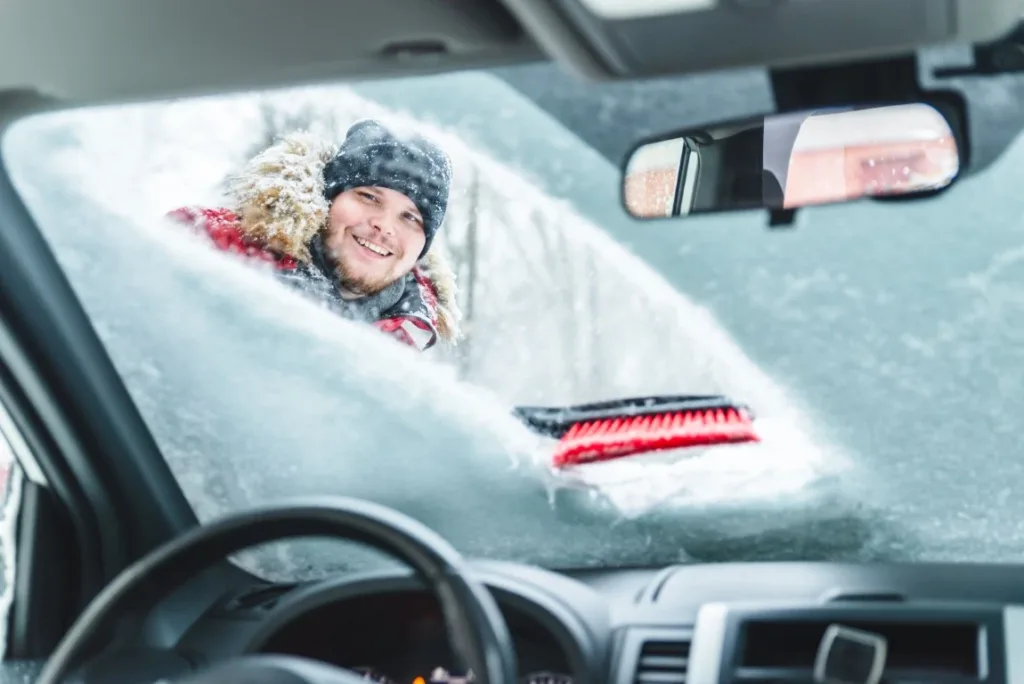
Winter driving can feel stressful when you walk outside in freezing temperatures and find your car buried under snow or sealed behind a thick sheet of ice. While it is tempting to rush the process and get on the road as quickly as possible, taking the right steps to remove snow and ice from your windshield protects your visibility, your safety, and your auto glass.
Many drivers unknowingly damage their windshields every winter simply by using the wrong tools or techniques. With a little preparation and a careful approach, you can avoid scratches, chips, and unexpected cracks while keeping your view clear on the coldest mornings. Below, you will learn how to remove snow and ice from your windshield safely, what to avoid, and how to prevent buildup altogether.
Start with the Right Tools and Preparation
The tools you choose make a major difference in how well you remove snow and ice from your windshield without damaging it. Before winter arrives, stock your vehicle with items designed specifically for cold-weather clearing. Using household tools or improvising with objects in your garage may feel convenient at the moment; however, they often cause micro-scratches that weaken the glass.
Some essential tools include:
- A dual-sided snow brush and plastic ice scraper
- A soft-bristle brush for heavy snowfall
- A windshield-safe de-icing spray
- Winter windshield washer fluid
Plastic scrapers are safe because they are hard enough to break ice but soft enough to prevent gouging. Metal tools, putty knives, and shovels should never be used to remove snow and ice from your windshield; the risk of long-term damage is simply too high. Keeping your washer fluid topped with a winter formula also helps dissolve thin layers of ice and supports your defrost system.

Warm the Vehicle Gradually and Use Your Defroster Correctly
A common mistake many drivers make is turning the defrost setting to its highest temperature and blasting it immediately. While this feels efficient, rapid temperature changes can stress the glass and potentially cause cracks. Instead, begin with a low or medium setting to slowly warm the interior side of your windshield.
This controlled approach makes it easier to remove snow and ice from your windshield as the glass gradually heats and loosens the bond between the ice and the surface. Give your vehicle a few minutes to run; as the inside warms, you will notice the ice becoming thinner and easier to lift with a scraper. Use your snow brush first to clear loose snow, then carefully chip away at frozen areas. Patience during this process is one of the most effective ways to protect your auto glass through the winter.
How to Remove Snow and Ice from Your Windshield Safely
Once your vehicle has warmed slightly and loose snow is brushed away, you can start working on stubborn buildup. Begin at the edges and avoid digging the scraper directly into the middle of the windshield. Keeping the scraper flat instead of angled reduces your chances of scratching the glass.
To remove snow and ice from your windshield safely:
- Use smooth, controlled strokes instead of forceful jabs.
- Spray a de-icer on thick sections to soften the ice before scraping.
- Avoid pouring hot water on the windshield; rapid expansion can crack the glass.
- Never use sharp objects or anything metal.
- Don’t rely on wipers to clear ice; this can tear the blades and strain the motor.
If the layer of ice is particularly stubborn, let the defroster continue working and reapply de-icer. It may take a few minutes, but forcing thick ice off in a hurry can easily lead to chips that worsen over time.

Prevent Ice Buildup Before It Starts
One of the easiest ways to remove snow and ice from your windshield is to stop it from forming in the first place. Preventative measures save time, protect your glass, and help you avoid the frustrating morning routine of scraping in freezing temperatures.
Some useful strategies include:
- Use a windshield cover. These inexpensive covers create a barrier between the glass and winter weather so you can lift the cover, shake it out, and drive away.
- Park facing east. Morning sunlight can naturally warm the glass and help melt minor frost.
- Treat the windshield with a water-repellent coating. These products help prevent ice from sticking firmly to the surface.
- Park indoors when possible. A garage or carport dramatically reduces ice accumulation.
By reducing the amount of snow and ice that forms overnight, you make it much easier to remove snow and ice from your windshield quickly, gently, and with less scraping required.
Recognize When Winter Weather Has Damaged Your Windshield
Even when you use all the right techniques, winter weather can still take a toll on your auto glass. Repeated freezing and thawing cycles, road debris hidden in snow, and unintentional pressure from scraping can all create small chips or fissures. It is important to inspect your windshield regularly during the winter months, especially after heavy storms.
Signs of glass damage include:
- Tiny white specks or pits
- Hairline cracks growing outward
- Areas where the scraper catches repeatedly
- Distorted visibility
If you notice any of these issues, do not wait to address them. A small crack can quickly spread when temperatures fluctuate, making it more hazardous to drive and more expensive to repair. Getting help early ensures your windshield stays safe, stable, and ready for the next storm.

Call Valley Glass for Expert Auto Glass Repair and Replacement
If winter weather has left behind chips, cracks, or visibility issues, Valley Glass is here to help. Our team specializes in repairing and replacing windshields damaged by freezing temperatures, scraping, and harsh road conditions. Whether you struggled to remove snow and ice from your windshield or discovered a crack spreading across the glass, we provide fast, reliable service to restore your car’s safety.
When you’re ready to schedule windshield repairs or replacement, don’t hesitate to contact our Valley Glass team today.