
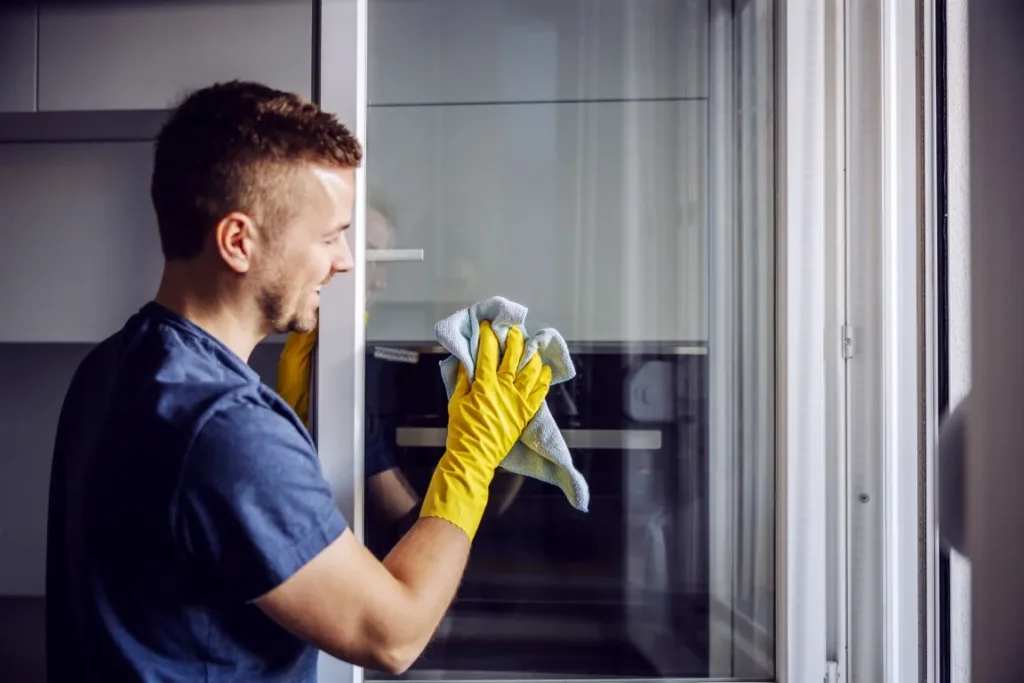
New windows are a significant investment, adding aesthetic appeal, energy efficiency, and value to your home. Once they are installed, it is only natural to want to maintain their pristine condition for as long as possible. However, the process of cleaning new windows requires a different approach than maintaining older panes.
Using the wrong tools or chemicals can inadvertently damage special coatings, frames, or even the glass itself. To ensure your investment remains protected and looks its best for years to come, understanding the proper care routine is essential. In this blog, we’ll help you master the art of cleaning new windows to ensure you preserve their flawless appearance.
1. Find an Ammonia-Free Cleaner
Ammonia is an incredibly popular household cleaning product, known for its ability to easily break down tough grime. It also evaporates quickly, helping you avoid harsh streaks. When you hear this, you might think that it is the perfect cleaning solution for cleaning new windows. However, this isn’t the case, and instead, it may do more harm than good.
Whether your windows are tinted or you have an anti-glare or UV coating, ammonia can break this down. Additionally, it can damage your vinyl window frame, which can be incredibly costly to replace. Instead, look for an ammonia-free window cleaning solution when cleaning new windows to ensure you protect your newest investment.
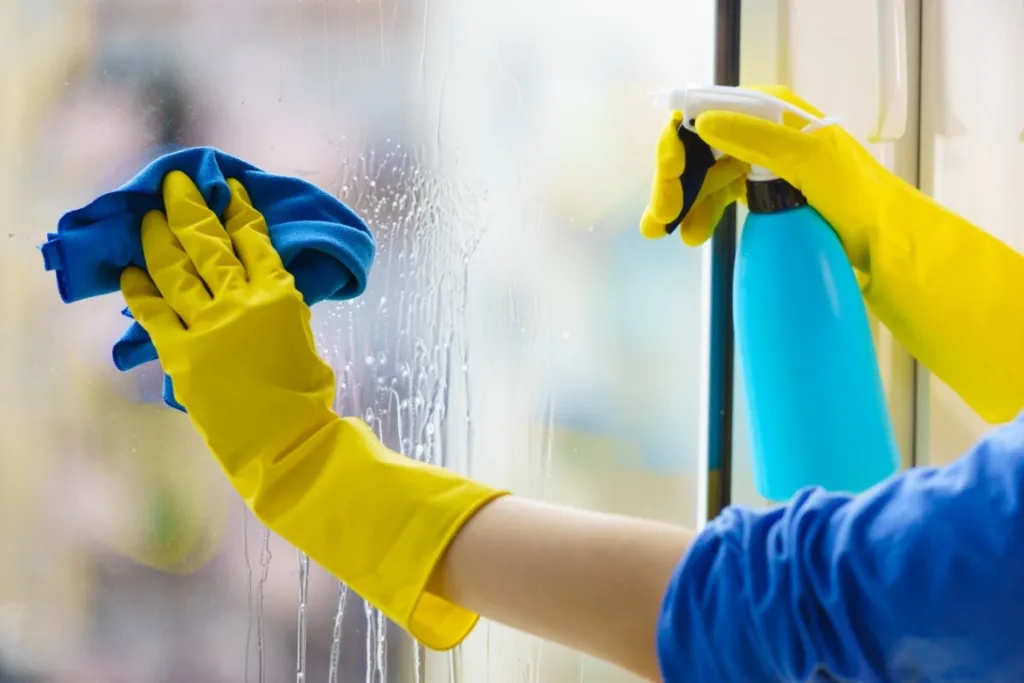
2. Use Only Approved Cleaners When Cleaning New Windows
When you are considering cleaning new windows, you may consider making your own window cleaning solution. You may find yourself hunched over in your laundry room, mixing vinegar, water, peroxide, and other products to craft the perfect Frankenstein window cleaning solution. However, this isn’t the best choice for new windows.
Instead of attempting to make your own, it is always best to use approved glass cleaners when cleaning new windows. Approved glass cleaners will be ammonia-free. If you are concerned about ingredients in your cleaning solution, look for a cleaner with the EPA Safer Choice seal, which indicates it uses safer ingredients without compromising on performance.
3. Avoid Using Harsh Chemicals
While ammonia is a terrible choice for cleaning new windows, it isn’t the only harsh chemical you may consider using. As cold and flu season make their way into town, you may consider pulling out the bleach. While bleach is a great way to keep the worst germs at bay, it is a terrible option for cleaning new windows.
In addition to its germ-killing ability, harsh chemicals like bleach can be overly abrasive and drying. This can cause significant damage to the glass and surrounding surfaces. This damage can be especially distressing when dealing with new windows. If you want to avoid substantial damage, it’s best to stick with your window installer’s recommended cleaning solutions.
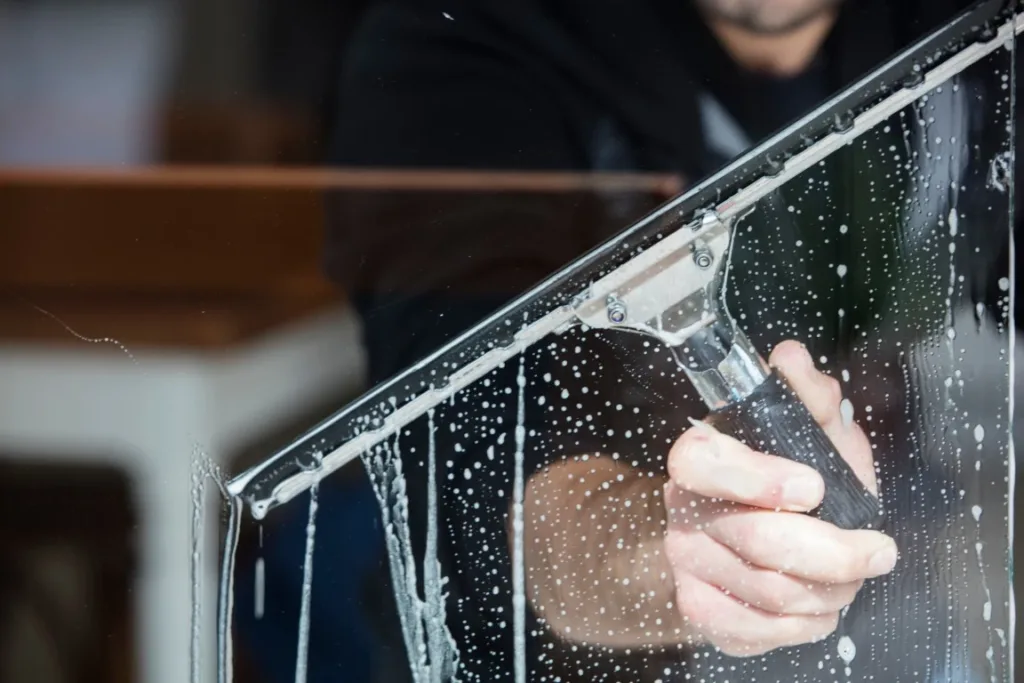
4. Never Use Razors or Abrasive Materials
As you prepare to clean the exterior of your windows, you may be faced with tough, stuck-on grime like tree sap, bird droppings, dirt, dust, and other debris. You may worry that your cleaning solution isn’t capable of efficiently removing this, and may consider pulling out a razor blade to keep your windows looking their best.
However, choosing to use a razor when cleaning new windows can be more of a headache than you realize. The sharp edge of your razor may scratch the glass or damage low-E coatings. If you want to avoid major physical damage and protect your energy-efficient window coatings, it is best to avoid using razor blades, and instead, rely on a little extra elbow grease.
5. Don’t Forget About the Frames
While you might be worried about the appearance of your windows, you may forget to turn your attention to the surrounding surfaces. However, when cleaning new windows, it is important that you remember to clean the supporting structures as well, including your window frames. Choosing to ignore your frames can lead to deterioration over time.
Even minor debris buildup can damage the weatherproofing seals, allowing drafts into your home. Additionally, by cleaning the frames, you’re given an opportunity to assess the current state of them and determine whether there is damage that will require repairs or replacements from your trusted window installers.
6. Address Debris in the Tracks
As you finish cleaning your windows, you want to ensure you aren’t forgetting the tracks. A buildup of dirt, dust, and other debris can make it difficult to open and close your windows. Additionally, while you might not pay much attention to it, this debris may degrade the efficiency of your window seals, leading to drafts and drops in energy efficiency.
Instead of ignoring your window tracks, make sure to give them a thorough cleaning once you’ve cleaned the grass. Blow free any loose debris and wipe down the tracks with warm, soapy water. This should keep them free from any more damaging debris and ensure you can open and close your windows with ease.

Upgrade Your Home with Windows from Valley Glass
If you are looking for new, high quality windows for your home in Northern Utah, Idaho Falls, or Boise, trust that our team at Valley Glass is here to help. Whether you’re replacing old, damaged glass, upgrading your frames, or building a new home, we have the highest quality, most energy efficient windows on the market. With the support of our team, you’ll have the best new windows in your home.
When you’re ready to learn more about whether our new or replacement windows are right for your home, don’t hesitate to contact us to schedule an appointment.