
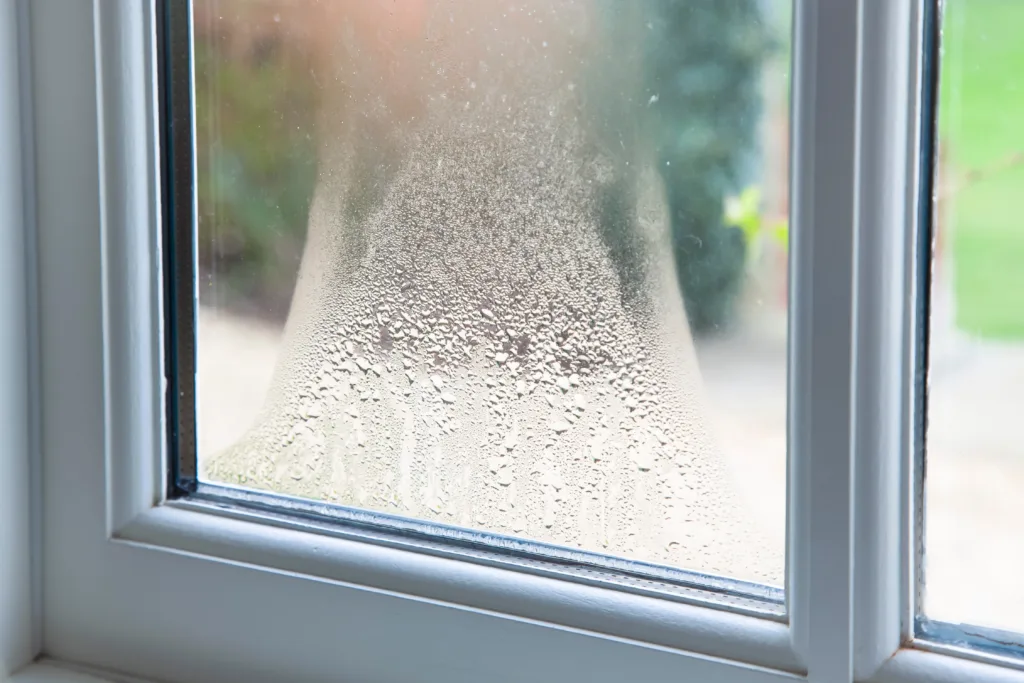
The windows on your home let you enjoy natural light in your living spaces, a nice breeze on a cool spring day, and views of your surroundings. But, beyond this, your windows also keep your home comfortable through fluctuating temperatures and protect you from sky rocketing energy costs. When the seals weaken, your window function begins to plummet.
Not only will your energy bills rise exponentially, but you may also notice changes in the visibility. But, there are ways to catch these signs of failed window seals before it impacts your views from your home. Knowing how to catch your failed window seals early on can make a major difference in your comfort and heating and cooling costs.
In this blog, we’ll explore the importance of window seals, signs you have failed window seals, and why you should address them as soon as this problem emerges.
What Do Your Window Seals Do, and Why Do They Matter?
Window seals play a critical role in the overall performance of your windows, even though they’re hidden from view. Found around the edges of the glass and frame, these seals help create an airtight barrier that keeps outside air, moisture, and debris from entering your home. In double- and triple-pane windows, the seal also locks insulating gas between the panes.
This helps the window maintain its energy-efficient properties. When window seals are in good condition, your home stays more comfortable throughout the year, and your heating and cooling system doesn’t have to work as hard to maintain indoor temperatures. Over time, however, exposure to sunlight, temperature fluctuations, and normal wear can cause seals to deteriorate.
Once a seal fails, outside air and moisture can seep between the panes, often leading to condensation or a foggy appearance that won’t wipe away. Damaged seals also reduce the window’s insulating ability, making drafts, inconsistent indoor temperatures, and higher energy bills more likely. Keeping window seals intact is essential for preserving your windows’ performance, comfort, and efficiency.
How Can You Tell If You Have Failed Window Seals?
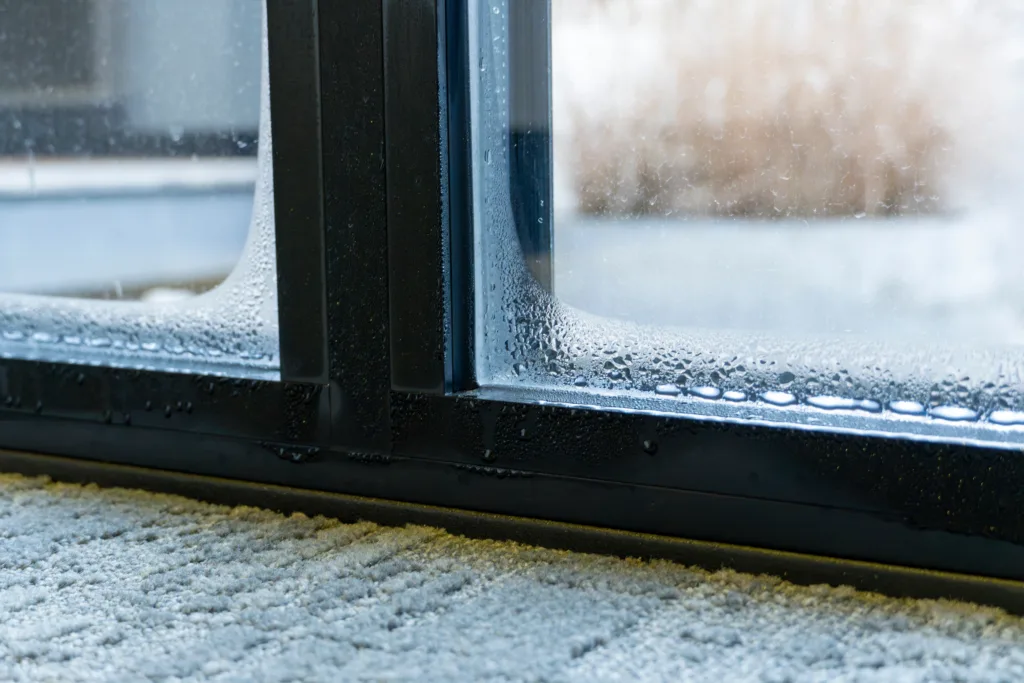
The best way to catch failed window seals is to know what to look for. The clearest way that you will notice failed window seals is by spotting a foggy or cloudy appearance between glass panes. However, this isn’t the only indication of failure. If you notice any of the following signs, it might be an indication of failed window seals:
- Condensation on the window that cannot be wiped off from the inside or outside.
- Cold air leaks and inescapable drafts in your home.
- Warping near the center of the glass as the pressure changes asserts pressure on it.
- Small insects and dust finding its way between the glass panes.
- Mold and mildew growth on and in the window.
If you notice any of these signs, it is essential that you reach out to a trusted window installation team as soon as possible for support. They can help you determine whether repairs or replacement are the best option for your home.
Why Do Window Seals Fail Over Time?
Even though your window seals are incredibly durable, they aren’t infallible. Over time, they are prone to failure. But what exactly is the cause of this failure? The most common reasons that window seals fail include thermal expansion and contraction, material aging, and environmental exposure, especially in colder climates and places with high sun exposure.
Over 10 to 20 years, the chemical compounds in your rubber or silicone window seals dry out, harden, and lose their flexibility. Over time, this means there are microscopic gaps. Thermal stress also impacts your seals. As the windows heat and expand, and then cool and contract, the push and pull slowly weakens and cracks the sealant.
In some cases, poor installation may be the cause of your failed window seals. While this is uncommon, improper installation techniques can lead to stress on the spacer bars and adhesive bonds. Regardless of the cause of your failed window seals, it is imperative that you address this problem as soon as possible.
Why Do You Need to Address Failed Window Seals As Soon As Possible?
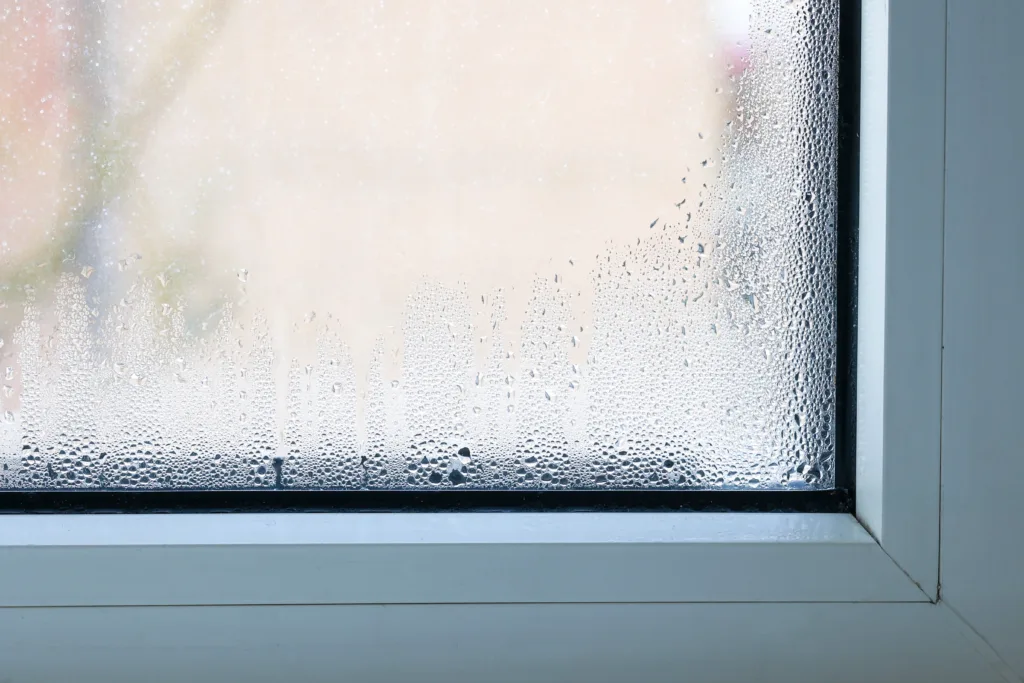
If you’ve recently noticed that your window seals have failed, it can be tempting to ignore it and carry on as normal. But, this might not be the best idea for you or your home. It is always in your best interest to replace your failed window seals as soon as possible. If you ignore the failed seals, you may have to deal with:
- Higher Power Bills: With failed seals, your heating and air conditioning will need to work twice as hard to keep indoor temperatures comfortable. This added work means your HVAC system will run more consistently, leading to higher monthly utility costs.
- Dirty Glass You Can’t Clean: When moisture becomes trapped between the panes of your window, it leaves behind dirt, dust, water spots, and cloudy film behind that you cannot clean, no matter how hard you try to clean it.
- Rot and Mold: When your seals fail, water can make its way into the window frame, leading to wood rot, mold growth, and frame decay, which can compromise the window’s structural integrity and your health and safety.
How to Temporarily Remedy Your Failed Window Seals
Dealing with failed window seals can be a major pain, but with quick replacement, you can quickly restore comfort in your home. However, you may need to wait a few weeks before your window repair or replacement team can arrive. Thankfully, there are a few things you can do to temporarily remedy the problem until the team arrives, including:
- Re-caulk the Outer Edging: Carefully scrape away the old caulking along the interior and exterior of your window with a razor blade. Once you remove it, clean the area and lay down fresh, exterior-grade silicone caulking to block air leaks and rain.
- Install Weather Stripping: In addition to exterior-grade caulking, you may want to consider investing in self-sticking or nail-on foam or rubber stripping to fill in the gaps between the moving sash and the outer frame to block drafts.
- Apply Window Shrink Film: Consider looking into a clear plastic insulation film kit. This film covers the entire exterior of your window frame and, using a hair dryer to shrink it taut, creates a second barrier against the air.
- Lower Indoor Humidity: If you have high humidity levels in your home, you should consider running bathroom fans, kitchen range hoods, and portable dehumidifiers to reduce moisture levels that are otherwise fogging up your windows.

Let Valley Glass Restore Comfort in Your Home
When you’re plagued by failed window seals, it can lead to major drafts and discomfort while you’re home. But this can become a thing of the past if you choose to partner with our team at Valley Glass. Whether you need to repair the glass on your windows or replace the full unit, we’re the right team for the job. With decades of experience providing homeowners across Northern Utah, Idaho Falls, and Boise with expert window repairs and replacement, we’re confident that we’re the right team for the job.
If you would like to schedule a consultation for your home in Salt Lake, Boise, Idaho Falls, and beyond, contact us today.