
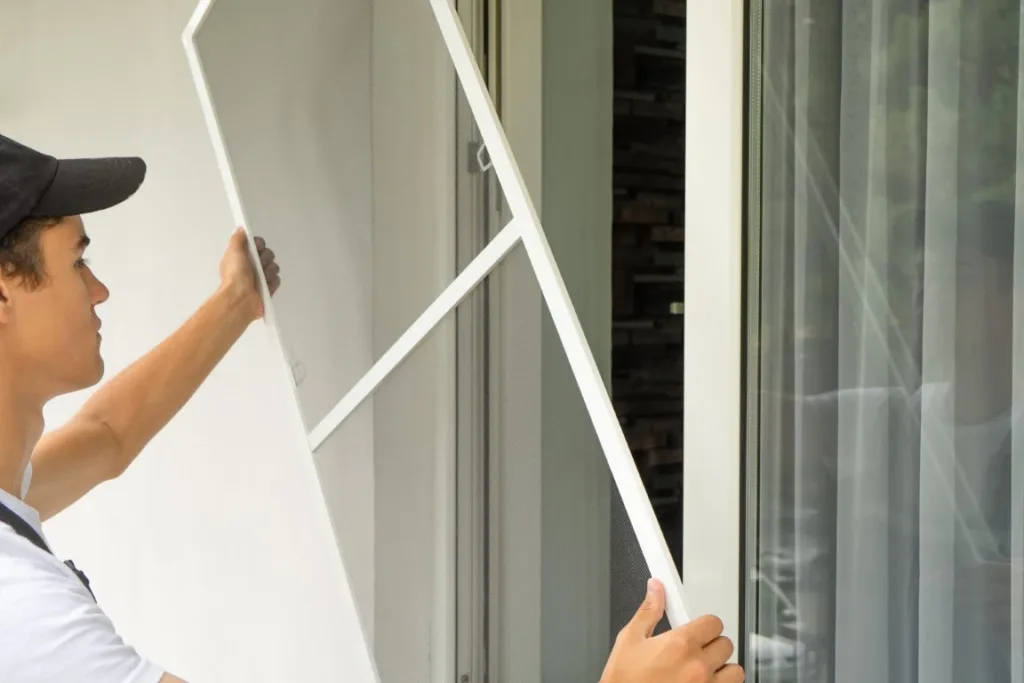
When comfortable spring or fall temperatures roll into town, you may find yourself wanting to open your windows to let a cool breeze into your space. However, without proper coverage, opening your window may also open your home up to dust, dirt, pollen, and unwanted pests. That’s where window screens come in.
With appropriate screens, you can keep debris and pests out of your home. But, screens aren’t all created equal, and it’s important to consider what you need from your screen before investing in new ones. Whether you’re worried about allergies, security, pests, or debris, finding the right window screen can make a major difference in your home.
In this blog, we’ll explore the different screen options, tips for choosing a new screen for your home, and signs it’s time to replace them.
Why Window Screens are Important
Your window screens act as the first line of defense against outside debris and pests, while allowing for plenty of ventilation. Without a screen on your window, you may keep your windows shut, even when better weather comes to town. Not only does this limit your ventilation, but it also increases your reliance on your HVAC system, leading to higher energy costs.
Additionally, if you choose to open your windows without a screen, this can open up your home to airborne debris, insects, and pests like mice, rats, squirrels, and more. You may notice dust and debris buildup and increased pest presence in your home. This will leave you cleaning more frequently, especially if you’re trying to prevent a pest infestation.
Finally, your screens play a major role in protecting against UV radiation. Without screens on your window, you may notice your furniture fading with prolonged sun exposure. If you want to protect your home from pests, debris, and potential UV radiation, it might be time to consider investing in new, high-quality window screens.
Your Window Screen Options
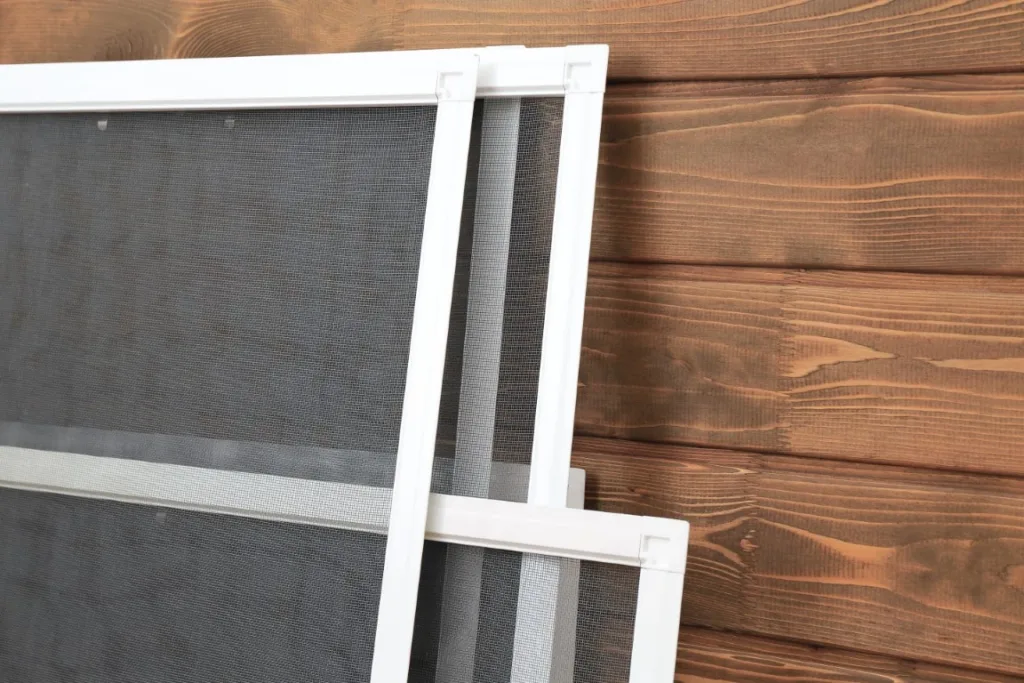
While window screens are an essential addition to your windows, there are a few options to choose between. Every homeowner’s needs will vary, and it’s important to understand how each screen can benefit your home before making a final decision. Some of the most common screen options include:
- Standard Screens: These screens are made of a flexible, rust-resistant fiberglass material that is easy to install or repair.
- Aluminum Pet Screens: Stiffer than a standard screen, these are equipped to handle sharp claws and pet paws, resisting bending and tearing.
- Allergen Screens: These are specially woven to filter out the dust, dirt, debris, and allergens that may otherwise lead to respiratory irritation.
- Ultravue, Invisible Screen: This premium screen uses fine materials and a black coating to make it almost invisible from a distance, while still providing adequate ventilation and debris protection.
Tips for Choosing a Window Screen
If you’re considering getting new screens, it is important that you consider what your primary need is before making your final choice. While all window screens will offer protection against outdoor debris, consider whether you’re dealing with tears from pets, frequent allergy problems, or are concerned about how they are affecting your property’s aesthetics.
If you’ve dealt with damage caused by pets in the past, stronger aluminum screens are likely the best choice for your home. However, if you find yourself dealing with frequent allergy problems, especially during the spring months, talk to your window team about their allergen screens to keep this debris out of your living spaces.
For homeowners who are on the fence, it’s best to turn to your window professional for their support. With their understanding of their stock and your needs, they can help you pick from their available options and ensure you’re making the best choice for your long-term needs.
Signs You Need to Replace Your Old Screens
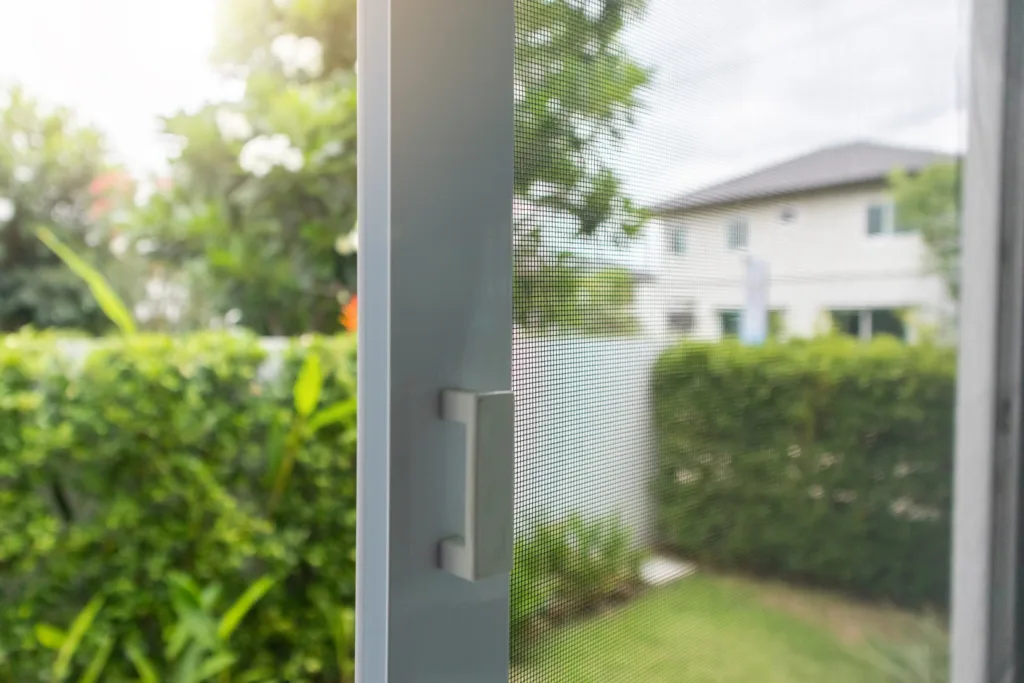
Old window screens play an important role in keeping insects, debris, and outdoor contaminants out of your home. Over time, however, screens can become worn and less effective. Knowing when to replace them can help maintain comfort, airflow, and curb appeal. Common signs your window screens need replacement include:
- Visible tears, holes, or punctures that allow pests inside
- Bent or damaged frames that prevent a proper fit
- Rust, corrosion, or discoloration on metal screen materials
- Loose or sagging mesh that no longer stays taut
- Difficulty removing, reinstalling, or securing the screen
- Increased dust, pollen, or insects entering your home
Even minor damage can worsen over time, especially after storms or prolonged exposure to sun and moisture. Replacing aging screens restores ventilation while improving the appearance and functionality of your windows. If your screens show multiple signs of wear, investing in new ones can be a simple and cost-effective upgrade.
How to Maintain New Screens
Once you’ve installed new window screens on your home, you want to ensure you’re doing everything in your power to keep them looking their best. If you want to ensure your screen looks its best immediately following installation and for years to come, make sure to incorporate the following into your care routine:
- Lightly dust them to remove dust, cobwebs, and pollen before cleaning the mesh.
- Pop the screen out and wash it with a warm water and soap mixture.
- Let them air dry completely before putting them back in your window frames.
- Avoid using abrasive chemicals that could degrade the mesh.
- Inspect the tracks and clean them before putting the screen back into the frame.
- Patch small tears as soon as they emerge so they don’t ruin the screen.

Find Your Ideal Window Screens at Valley Glass
Whether you’re purchasing new windows or need to replace an old screen, our team at Valley Glass is here and ready to help. No matter what you’re looking for, trust that we can help you find a window screen that meets your every need. If you’re starting from scratch and aren’t sure what you’re looking for in your screen, we can help you do that as well.
If you are ready to learn more about our window screen options and which is right for you, don’t hesitate to reach out to us today to schedule a consultation.